
Environmental monitoring and risk assessment
The Environmental Research Centre provides consultancy services for risk assessment and management through industrial hygiene surveys. These surveys involve sampling and measurement of chemical, physical and biological agents in living and working environments, as well as releases to water and soil.
Biological samples may be analysed for the measurement of biological exposure indices (BEIs) and/or for industrial toxicology studies. Sampling is carried out using the techniques and sample matrices appropriate to each specific case.
In particular, the Environmental Research Centre has many years of specific experience in the environmental and biological monitoring of occupational, indoor and outdoor exposure to organic and inorganic chemical agents (such as aromatic and aliphatic solvents, anaesthetic gases, polycyclic aromatic hydrocarbons, dusts and fibers, heavy metals, aldehydes, ammonia and aliphatic or aromatic amines, ozone, sulphur and nitrogen dioxide, inorganic and organic acids, fluorinated compounds…).
The laboratory is accredited according to UNI CEI EN ISO/IEC 17025:2018.
The list of accredited tests can be consulted in the Accredia database (laboratory no. 01957).
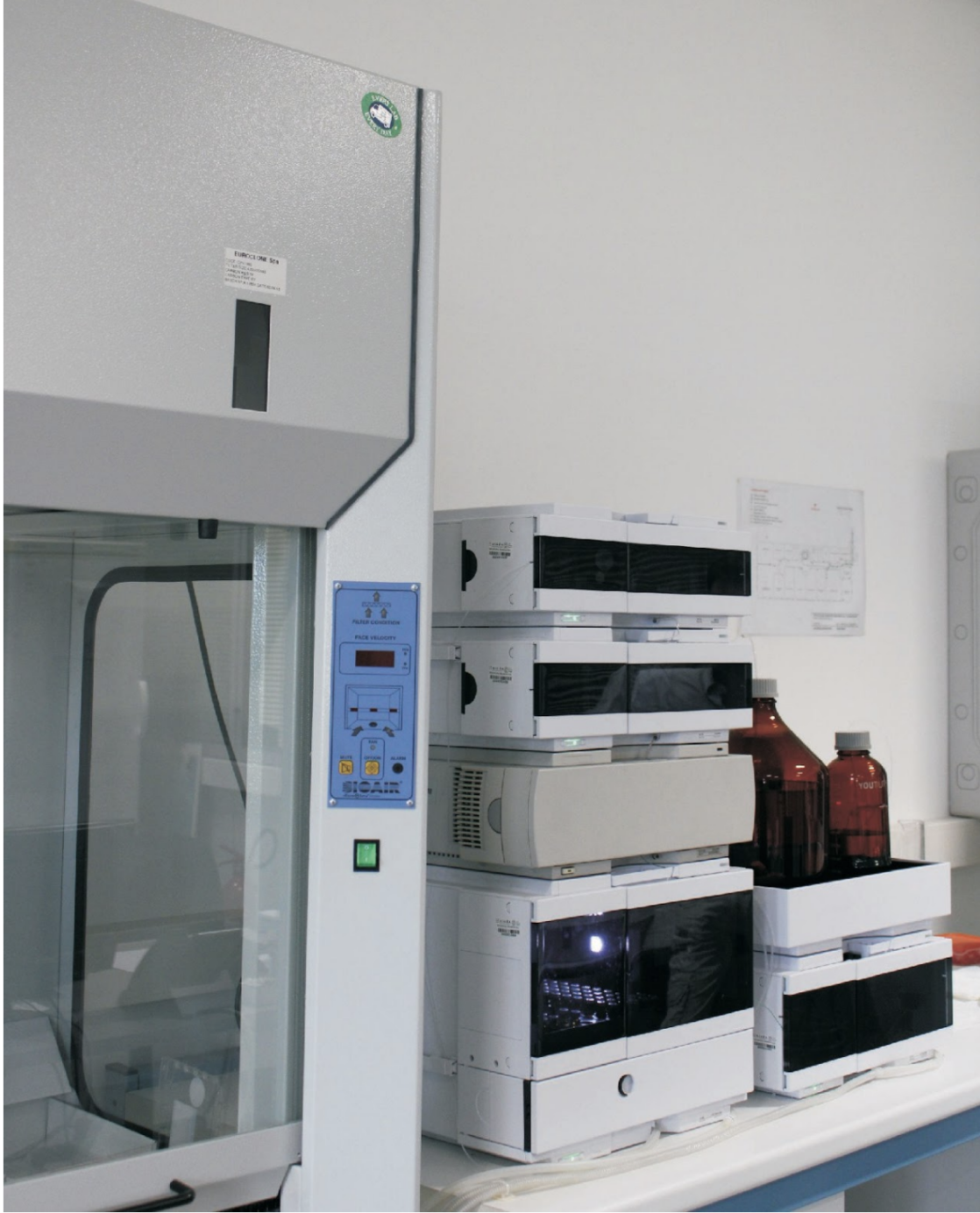
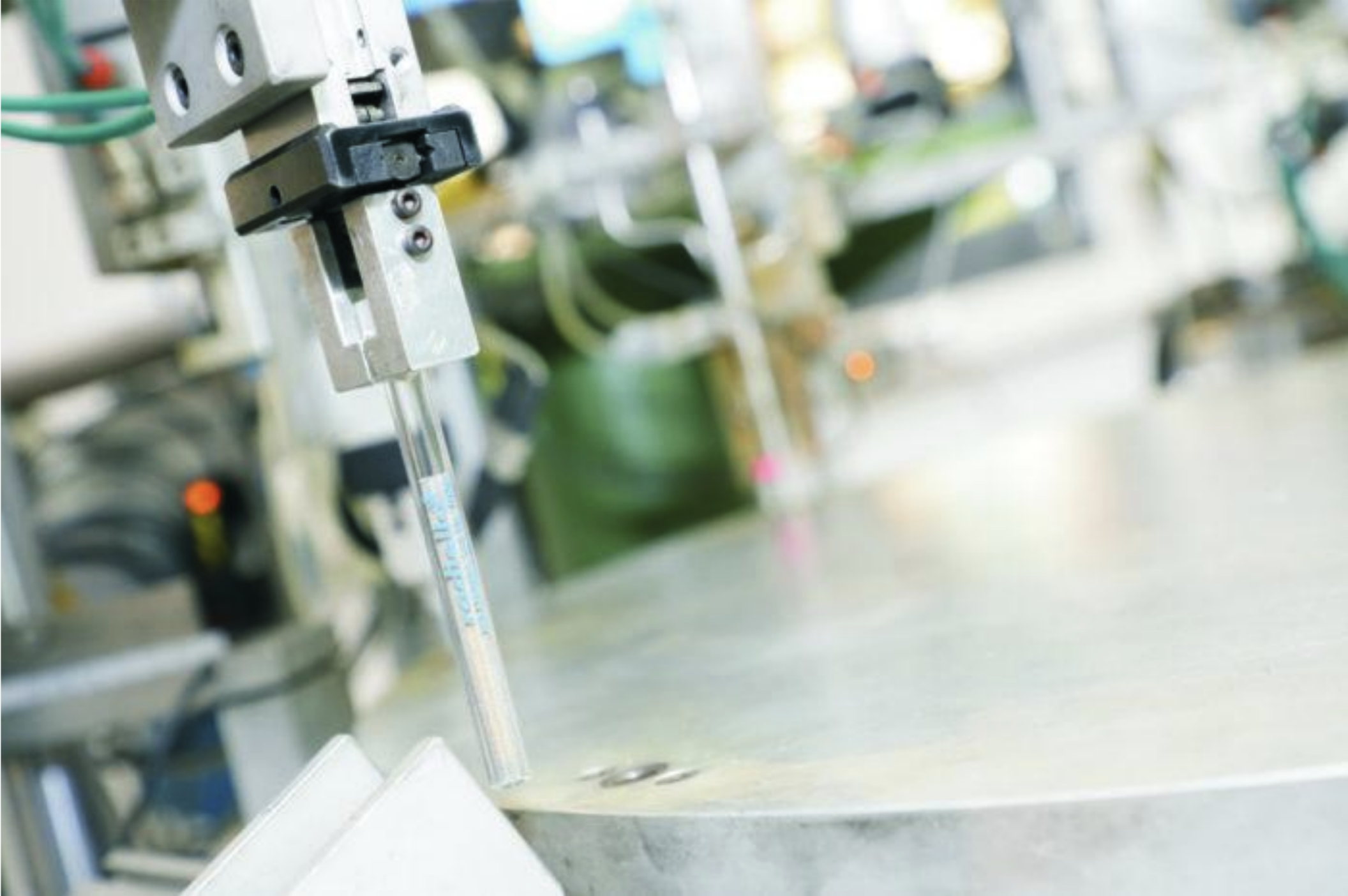
The radiello® system: from production to laboratory analysis
The radiello® team manufactures and supplies the sampling device and provides customers with the technical and scientific support needed to ensure its correct use for the intended monitoring objectives. The Environmental Research Centre carries out continuous studies on the application of sampling techniques. Particular attention is paid to those based on passive diffusion, in line with developments in toxicological knowledge and updates to environmental regulations.
radiello® users can contact our laboratories to request sample analyses. A complete list of laboratory analyses for radiello® is provided on the What it measures page. Further information can be requested using the form available on the Technical documents page. To accommodate specific customer requirements, sample delivery arrangements and timescales should be agreed with the laboratory in advance.
Submission of data and samples
To ensure the submission of the information required for sample analysis and results processing, customers are provided with a standardised Excel spreadsheet.
Sampling data and any subsequent information relating to the samples shall be sent to the e-mail address provided in the e-mail accompanying the Excel spreadsheet.
Internal quality control
The Centre’s laboratories routinely perform internal quality control procedures tailored to the specific analytical method used. Internal quality control includes:
The use of certified reference materials or certified standard solutions, where available, to prepare calibration curves.
The inclusion of control standards in each instrumental analysis sequence.
The application, where appropriate, of the standard addition method to construct calibration curves in real sample matrices, using certified reference materials, certified standard solutions or pure standards.
The use, where appropriate, of an internal standard for quantification.
The routine performance of automatic tuning whenever the mass spectrometer (ICP-MS or GC-MS) is switched on or whenever operating conditions change.
Routine control of the blank or unexposed samples.
Use of control charts for the continuous monitoring of analytical performance of the relevant instrumentation.
The Centre’s laboratories also carry out external quality control by participating in national and international proficiency testing schemes.
Examples include the PT AIR proficiency testing schemes (Workplace Air, Ambient Air and Emissions), organised by LGC in collaboration with HSL, for the determination of: BTEX and VOCs (1,1,1-trichloroethane, hexane, n-butyl acetate, trichloroethylene and tetrachloroethylene) collected on activated charcoal tubes for workplace air; Cd, Cr, Co, Cu, Fe, Mn, Ni, Pb, Zn and Cr (VI) collected on membrane filters for workplace air, and BTEX collected on RAD145 samplers for ambient and indoor air, organised by INERIS, France.
Quality management and reporting
To monitor the processes, the laboratory uses dedicated management software.
Validated laboratory test reports are provided to customers in digital format as Excel tables and pdf signed individual test reports, sent by e-mail.
All documentation is archived and stored, guaranteeing the confidentiality of data and respect for privacy according to the regulations in force.
Any issues arising during the pre-analytical or analytical phases are managed in accordance with the ISO/IEC 17025 standard.
The customer is always informed if the sample is unsuitable or if the analysis cannot be carried out. Whenever possible, the customer is invited to repeat the sampling.
If a requested analysis cannot be completed due to a laboratory issue, it will be repeated free of charge.
